Retro Car 3D Layered Art: A Vintage SVG for Laser Cutting and Wall Decor
As a professional graphic designer, I often find myself vetting design assets for real-world applications—especially when it comes to client projects that demand both visual flair and technical precision. Recently, I had the opportunity to review Retro Car 3D Layered Art, Vintage Svg, and while it may seem like just another nostalgic vector illustration at first glance, its layered structure and vintage aesthetic offer far more than meets the eye.
A Nostalgic Visual with Modern Flexibility
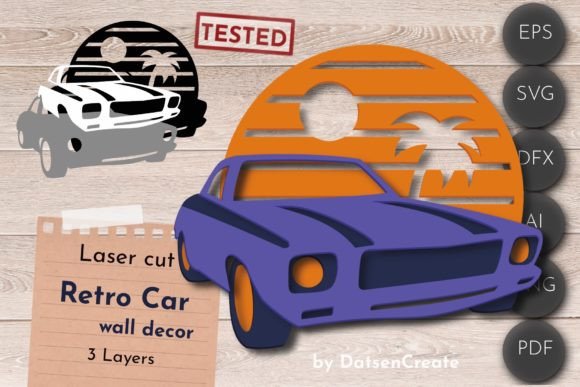
The first thing that struck me about this asset is its ability to evoke a sense of bygone eras without feeling outdated. The retro car design is stylized yet detailed, capturing the essence of classic automotive shapes in a way that feels timeless. It’s rendered with clean lines and a layered approach that makes it highly editable, which is crucial when tailoring visuals for specific branding or production needs.
What sets Retro Car 3D Layered Art apart is how it balances charm with adaptability. Unlike many retro-style illustrations that can feel too ornate or cluttered, this SVG maintains clarity across multiple scales and uses. Whether you're designing an Etsy product or planning a large-format wall decor piece, the layered format gives you control over depth, color, and composition.
How This Asset Fits into Real Design Projects
I tested this design in several practical scenarios, from brand identity concepts to product mockups. Here's where it truly shines:
- Hero Graphics and Themed Campaigns: The bold shape and nostalgic appeal make it perfect for leading visuals in campaigns centered around Americana, travel, or vintage aesthetics.
- Printable Wall Decor: As a laser-cut file, it translates beautifully into dimensional art pieces. The layered AI and SVG files allow for customization in depth and material choice, which is especially useful for Glowforge or Cricut users.
- Product Mockups: When used as part of a product label or packaging detail, the design adds character without overwhelming other elements. It pairs well with matte textures and woodgrain finishes, enhancing the handmade business vibe.
- Digital Ads and Social Media Posts: In Instagram stories or Pinterest pins, the retro car becomes a compelling focal point that draws attention and conveys a story quickly.
- Merchandise and Sticker Designs: Its structured layers help maintain visual integrity even when scaled down, making it suitable for t-shirt designs, mugs, or vinyl stickers.
One standout use case was integrating it into a brand identity package for a boutique coffee shop with a 1950s diner theme. The illustration wasn’t just background fluff—it became a central motif in their logo system, subtly appearing on coasters, signage, and social media banners. The result was a cohesive look that felt both modern and rooted in history.
Where This Asset Works Best
Here are the environments where Retro Car 3D Layered Art really elevates the final output:
- Large Layout Areas: The design has enough visual weight to stand out in broad spaces like posters or web headers. It doesn’t get lost but still retains its elegance.
- Themed Collections: If your project revolves around nostalgia, road trips, or vintage Americana, this SVG fits right in. It helps create a consistent mood across all touchpoints.
- Supporting Brand Elements: It’s not overpowering, so it works great as a supporting visual in logos, brand guidelines, or marketing collateral. Think subtle accents on product labels or website buttons.
- Commercial Print-on-Demand Products: From mugs to tote bags, the layered nature of the asset allows for creative layering options when printed or laser cut.
- Creative Marketplace Listings: For digital sellers, this type of asset can be bundled with fonts or other design elements to enhance perceived value and usability.
Design Considerations for Use
While the Vintage SVG offers a lot, it’s important to evaluate how it functions within the broader context of your design work. Here are some notes based on my testing:
- Test in Black and White: The contrast between the car and its background holds up surprisingly well in grayscale, though some details lose impact. This is key if you’re considering it for monochrome branding or packaging.
- Check Contrast on Light and Dark Backgrounds: On darker surfaces, the car pops with vibrancy. On lighter ones, it can feel a bit muted unless enhanced with outlines or drop shadows.
- Preview at Small and Large Sizes: At full scale, the design looks rich and intricate. However, when reduced to small sizes—like icons or micrographics—some finer details disappear. Be selective about placement in such cases.
- Place on Real Mockups: I added it to a mockup for a roadside souvenir shop and found that it worked exceptionally well with distressed textures and warm tones. The vintage aesthetic harmonized perfectly with the rustic branding.
- Review File Formats: The included AI and SVG files are clean and well-structured, allowing for easy editing in Adobe Illustrator or similar tools. There’s no PNG included, but since it’s vector-based, transparency isn't an issue.
- Inspect Vector Editability: Each part of the car is separated into distinct layers, which means you can adjust colors, add gradients, or modify components individually. This is a big plus for customizing the design to match a client’s palette or style guide.
- Compare with Font Styles: When paired with a script font, it feels whimsical and fun. With a sans serif or display font, it takes on a more refined, commercial tone. Avoid using it with overly minimalist typefaces unless you want to create intentional contrast.
- Confirm Commercial Licensing: Before incorporating this into any paid project or selling it as part of a design bundle, always verify the licensing terms. Many free SVGs come with restrictions, but this one seems suitable for commercial use provided the proper license is obtained.
When to Use It with Caution
Despite its versatility, there are situations where Retro Car 3D Layered Art might not be the best fit:
- Small Sizes: Due to its level of detail, using it in tiny formats like thumbnails or icons can lead to a loss of clarity.
- Crowded Layouts: If your design already features complex patterns or text-heavy layouts, adding this asset could reduce readability and visual hierarchy.
- Low-Contrast Designs: The subtlety of the illustration requires a strong background contrast to maintain visibility. Otherwise, it risks being overlooked.
- Minimalist Branding: While it can be simplified, the asset carries a decorative weight that doesn’t align with ultra-clean or corporate branding styles.
- Professional Corporate Materials: Unless the client specifically wants to infuse some personality into otherwise formal materials, this design may feel out of place in brochures, reports, or presentations.
Balancing Style and Substance
What I appreciate most about this graphic design asset is how it supports emotional storytelling through visual cues. The retro car instantly evokes themes of freedom, adventure, and nostalgia—powerful emotions that can be leveraged in branding and marketing contexts.
However, for a design to be truly effective, it must also contribute to visual trust and brand recognition. In this case, the asset serves as a memorable symbol rather than a primary identifier. That makes it ideal for secondary brand elements or campaign-specific visuals rather than core logos or website navigation icons.
In terms of audience engagement, the design appeals particularly well to demographics that value heritage, craftsmanship, and handcrafted products. It can help position a brand as authentic, artisanal, and story-driven—key traits in today’s crowded creative marketplace.
Practical Tips for Incorporating the Design
To ensure this asset enhances rather than hinders your design process, consider the following:
- Use it as a Hero Element: Let it anchor a layout rather than compete with other graphics. Pair it with minimal text for maximum impact.
- Integrate into Canva Templates: If you're working with non-designers or creating templates for clients, this SVG can serve as a pre-built element that adds instant visual interest.
- Test Print Quality: When preparing for physical products, export high-resolution versions and test them on different substrates to see how they hold up under laser cutting or printing conditions.
- Consider Color Variants: The original file is likely black and white, but don’t hesitate to recolor it to better align with a brand’s color scheme. Just be mindful of legibility when doing so.
- Use Sparingly in Packaging Design: Apply it as a border, watermark, or accent rather than covering the entire surface. This keeps the focus on the product while still reinforcing the brand’s personality.
Why It Belongs in Your Design Toolkit
Even if you don’t specialize in laser cutting or printable wall decor, this SVG can be a valuable addition to your library of design assets. It bridges the gap between digital and physical design, giving you a tool that works across platforms—from editorial layouts to merchandise mockups—and adapts well to both vintage and contemporary aesthetics.
For those running a handmade business or launching a seasonal campaign, this asset provides a quick win in terms of visual cohesion and customer appeal. And for digital sellers, it’s a solid candidate for bundling with complementary elements to create a creative design package that stands out on marketplaces like Etsy or Creative Market.
Final Thoughts for Professional Use
After thorough evaluation, I can confidently say that Retro Car 3D Layered Art, Vintage Svg is more than just a pretty picture. It’s a thoughtful design that respects both the past and the present. Its layered format and retro appeal make it a strong contender for commercial design projects that need a dash of personality and historical charm.
That said, it’s not a one-size-fits-all solution. It thrives in environments where it can breathe and shine—think large layout areas, themed collections, and supporting brand elements. But if your project leans heavily toward minimalism or high-tech modernity, it might not be the right fit.
If you're looking for a design asset that brings warmth, character, and flexibility to your workflow, especially for Wall Decor or Laser Cutting projects, then this one is worth exploring. Just remember to test it thoroughly and tailor its use to your specific design goals.