Little Fairy in the Woods 3D Paper Cut: A 3D SVG for Fantasy And Fairy Tales
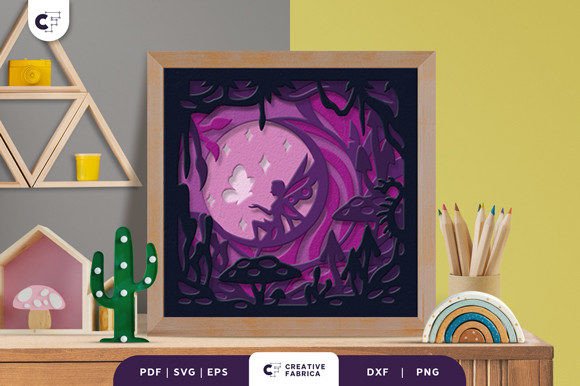
As a digital product creator who spends more time analyzing market trends than sleeping, I approach every new asset with a mix of curiosity and skepticism. The fantasy niche is saturated, but it remains one of the most profitable categories if executed correctly. Recently, I evaluated a specific graphic design asset titled Little Fairy in the Woods 3D Paper Cut. This isn't just another clipart file; it is a layered 3D SVG designed to create depth, making it particularly suited for shadow box art, premium printable wall decor, and high-end craft projects.
In this review, I will break down how this asset fits into a real-world online shop strategy, whether for Etsy, Creative Fabrica, or a Shopify print-on-demand store. We will look at its visual appeal, practical applications, technical considerations, and how it can elevate your brand identity without feeling like generic stock content.
First Impressions and Niche Appeal
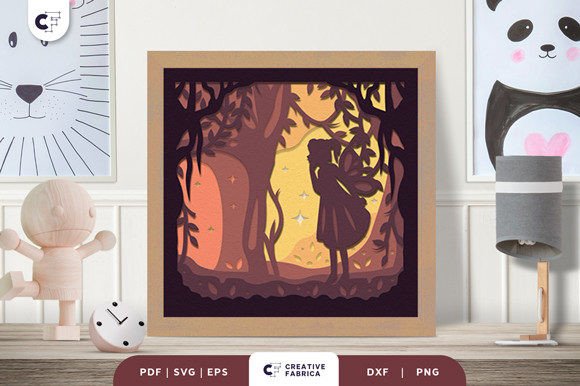
The moment you open the file, the mood is immediately established. It is not merely cute; it feels magical and immersive. The description highlights a little fairy wandering through a majestic forest surrounded by magical trees. Visually, this translates to a strong sense of scale and perspective. Unlike flat illustrations that can look dated quickly, the 3D paper cut style offers a tactile quality that resonates with buyers looking for "handmade" aesthetics in their digital downloads.
This aesthetic leans heavily into the Fantasy And Fairy Tales category, but it avoids being overly childish. The intricate details of the foliage and the layered structure give it a sophisticated edge. This makes it versatile. It appeals to parents buying nursery prints, but also to teens and adults interested in bohemian home decor, witchy aesthetics, or whimsical stationery. For a small business owner, this versatility is gold. You are not limited to one demographic; you can pivot your marketing based on seasonal trends—positioning it as a cozy winter wonderland asset in December or a spring renewal theme in April.
Real-World Product Applications
So, where does this 3D SVG actually make money? Let’s move beyond theory and look at tangible products. If I were launching a new collection today, here is exactly how I would test this asset across different product lines.
- Printable Wall Art & Shadow Boxes: This is the primary use case. The layering allows customers to create physical 3D art using cardstock. You can sell the layered SVG files for Cricut or Silhouette users, offering clear instructions on layer order and spacing.
- Digital Planners & Stickers: While the full 3D scene is too complex for tiny planner icons, you can extract individual elements—the fairy, specific tree trunks, or leaves—to create a cohesive sticker bundle. These work well as digital stickers for GoodNotes or as physical die-cut stickers.
- Apparel and Sublimation: For t-shirt designs, you would likely flatten the layers or use a single composite PNG version. However, the detailed background makes for excellent mug designs or tote bag prints where the image size is larger. The contrast between the fairy and the dense forest creates a striking focal point.
- Invitation Templates: Pair this illustration with elegant typography to create wedding invitations, baby shower invites, or birthday party graphics. The natural framing provided by the trees helps guide the eye toward text, which is crucial for good visual hierarchy.
- Social Media Graphics: Use the asset as a background element for blog headers or Instagram story templates. It adds instant personality to content calendars for lifestyle bloggers or other creative entrepreneurs.
Testing Before Publishing
Before hitting publish on any creative marketplace listing, rigorous testing is non-negotiable. I treat every design asset as a prototype until proven otherwise. Here is my checklist for evaluating Little Fairy in the Woods 3D Paper Cut.
First, always check the file resolution. If you are selling PNGs, ensure they are high-resolution (300 DPI) so they remain crisp when zoomed in on product mockups. Blurry thumbnails kill click-through rates instantly. Second, inspect the SVG code. Are the paths clean? Are there unnecessary anchor points that might cause cutting errors for users with Cricut machines? Clean vector data is a major selling point for tech-savvy crafters.
Next, test the color adaptability. How does this look on a dark background versus a white background? Can it be easily recolored in software like Canva or Adobe Illustrator? If you plan to offer this as part of a design bundle, ensure the colors are harmonious and can be swapped out for seasonal variations (e.g., autumn oranges or Christmas reds).
Finally, verify the transparency. When placing the PNG over various backgrounds, ensure there are no jagged edges or stray pixels around the fairy’s wings or the tree branches. Poor edge quality signals low effort to the buyer.
Risks and Areas for Caution
No asset is perfect, and understanding its limitations is key to managing customer expectations. One risk with 3D paper cuts is complexity. If a user attempts to print this at a very small scale, such as on a standard sticker sheet, the layers may become indistinguishable. In these cases, advise customers to use a simplified version or a flattened PNG rather than the multi-layer SVG.
Another consideration is contrast. On dark-themed websites or packaging designs, the lighter tones of the fairy might get lost. Always preview your product images against the intended background color. If the contrast is weak, add a subtle drop shadow or a backing card in your mockup to ensure the design pops.
Be careful with text-heavy templates. Because the forest background is visually dense, adding too much text can create clutter. Maintain a clean layout by giving the design breathing room. Use serif fonts for elegance or handwritten fonts for a personal touch, but keep the font size balanced against the intricate details of the illustration.
Strategic Selling Tips
To maximize the commercial potential of this asset, focus on presentation. Your listing images should tell a story. Show the final product in context—a printed shadow box sitting on a wooden shelf, or a mug featuring the fairy design in a cozy café setting. This helps the buyer visualize ownership.
Create bundles to increase average order value. Combine this asset with complementary elements like clouds, stars, or matching floral borders. A digital download bundle feels like higher value than a single file. Ensure your file organization is impeccable; name your folders clearly (e.g., "SVG_Layers," "PNG_HighRes," "Instructions") so customers don’t have to contact support asking where the files are.
Lastly, double-check your commercial license. Even if you purchased the asset, confirm that you are allowed to sell finished products derived from it. Some licenses restrict resale on platforms like Redbubble or Print-on-Demand services. Clear licensing protects your small business branding and prevents costly takedowns.
In conclusion, Little Fairy in the Woods 3D Paper Cut is a robust graphic design asset with significant upside for digital sellers. Its unique 3D structure sets it apart from flat clipart, offering a premium feel that customers are willing to pay for. By testing it thoroughly, respecting its technical limitations, and presenting it with professional mockups, you can integrate it successfully into your Etsy shop, creative marketplace listings, or personal brand identity. It is not just a picture; it is a tool for creating immersive, magical experiences for your customers.