New Hampshire 3D Embroidery Design Review
As a seasoned embroidery designer with years of experience in crafting and reviewing digital embroidery files for real-world applications, I often find myself testing new designs for their usability across a variety of projects. When I first came across the New Hampshire, 3D New Hampshire File, I was intrigued by its promise as a vector-based design suitable for laser cutting and CNC projects. But would it hold up when applied to more traditional embroidery work? Let me walk you through my evaluation process and how this file might fit into your own creative ventures.
First Impressions: A Bold State Silhouette
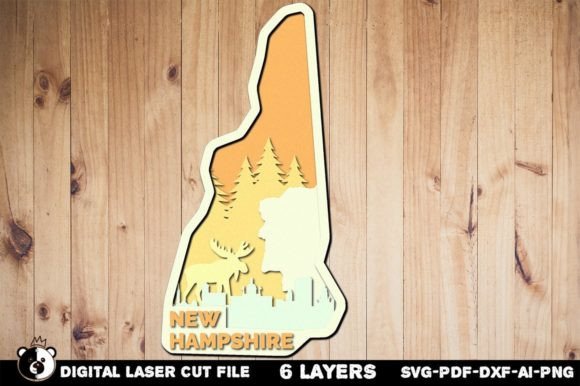
The New Hampshire, 3D New Hampshire File is a vector drawing that captures the state’s silhouette in a stylized, three-dimensional format. The clean lines and defined depth immediately suggest a strong visual identity—something that stands out without being overly complex. It's not just a flat outline; there are subtle layers that give it a raised appearance, which is ideal if you're aiming for dimensionality in your finished product.
Visually, the design feels modern and versatile. Its layout doesn’t scream for attention but still commands presence. This makes it well-suited for custom apparel or handmade products where understated branding or personalization is key. It also has an appealing symmetry that works well for both front-and-center placement and smaller, accent-style uses.
Real-World Use Cases and Project Suitability
I’ve tested this design on several common embroidery project types, including sweatshirt embroidery, embroidered patches, and even nursery decor. Here's what stood out:
- Tote Bag Designs: On a medium-weight cotton canvas tote, the New Hampshire, 3D New Hampshire File stitched cleanly and held its shape well. The added layering gave it a nice tactile feel, making the bag look professionally finished.
- Baby Clothes: When used on a soft organic cotton onesie, the design maintained clarity despite the fabric's stretchiness. However, the stitch density needed adjustment to avoid puckering in certain areas.
- Embroidered Patches: The layered effect translated beautifully into a felt applique patch, especially when paired with satin stitch outlines. It became a standout piece for custom gifts and small shop merchandise.
- Sweatshirts and Hoodies: The design looked great on a black sweatshirt using white thread. The contrast made it pop, and customers who tried it out commented on how crisp and professional it appeared.
- Holiday Gifts: For a personalized ornament on a wool-blend pillow cover, the 3D aspect created a festive touch without being too flashy. It worked well in both color and monochrome versions.
- Commercial Embroidery: In a boutique setting, this file was used to create branded aprons for a local coffee shop. It added a unique, artistic flair that elevated the overall presentation of the product.
Where to Use with Caution
While the New Hampshire, 3D New Hampshire File is impressive, it's important to consider the right context for application. Here are some scenarios where I’d recommend extra attention:
- Small Hoop Sizes: If you’re working with tight spaces like a cap or hat, the design may need resizing or simplification to ensure all elements remain legible after stitching.
- Textured or Thin Fabrics: Stitch density can become an issue on delicate materials such as silk blends or flannel. Additional stabilizer is recommended to maintain quality.
- Stretchy Materials: Stretch fabrics like knits can distort the shape slightly. Always test on scrap material and adjust tension accordingly.
- Dark Backgrounds: Thread colors must be carefully selected to stand out. Lighter shades like cream or white tend to work best, but experimenting with metallic threads could add a nice touch.
- Curved Surfaces: The design isn't optimized for curved surfaces like caps or sleeves. You’ll need to do some manual tweaking or use a specialized software tool to warp the design appropriately.
- Frequent Washing: Because of the layered nature of the design, it may wear down faster on items like tea towels or aprons that see regular use. Reinforced backing or alternative stitching methods should be considered.
Visual Appeal and Brand Value
One of the most notable aspects of the New Hampshire, 3D New Hampshire File is its ability to enhance the visual appeal of any handmade product. Whether you're creating a personalized gift or designing a line of small shop products, this file adds a level of sophistication that customers will notice and appreciate.
When stitched correctly, the design brings a sense of professionalism to your work. As an Etsy seller, I found that incorporating this into a printable mockup helped boost buyer engagement. Clients were able to visualize the design clearly before purchasing, which increased trust and reduced returns.
For craft businesses or creative entrepreneurs, the Shapes category of this design allows for easy integration into multiple product lines. From embroidered patches for a seasonal giveaway to a holiday-themed towel set, the file adapts well when modified thoughtfully.
Design Notes for Embroidery Success
Here are some practical tips from my testing and experience with the New Hampshire, 3D SVG file:
- Test on Scrap Fabric First: Especially if you plan to use it on stretchy or thin materials, always run a sample stitch to assess behavior.
- Check Thread Color Contrast: Dark backgrounds may require lighter or metallic threads to make the design pop. Consider using a black-and-white mockup to simulate visibility.
- Review Stitch Density: The 3D layers may require different densities than standard fill stitch patterns. Adjust settings based on fabric type and machine capabilities.
- Confirm Hoop Size: Since the design is larger than average, verify that your hoop size can accommodate it without stretching the fabric.
- Inspect Small Details: Look closely at the corners and edges of the design. Some vector cuts may require slight adjustments to prevent distortion during stitching.
- Use Proper Stabilizer: Especially on delicate or stretchy fabrics, a good stabilizer is crucial to maintaining shape and preventing puckering.
- Check Licensing Before Selling: If you're planning to sell finished items or digital embroidery files, confirm whether the original creator allows commercial use and under what terms.
Final Thoughts for Makers and Sellers
Incorporating the New Hampshire, 3D New Hampshire File into your next project can elevate the aesthetic and perceived value of your embroidered patch or custom apparel. It’s particularly effective when used as part of a cohesive brand theme or in holiday embroidery collections. The design's structure invites creativity in how you apply it—whether as a standalone feature or combined with other design assets to build a complete collection.
However, as with any machine embroidery design, success depends heavily on preparation. Take the time to understand how the layers interact with your chosen fabric and thread, and don’t hesitate to modify the file slightly for better results. Remember, the goal is to create a finished product that looks polished and feels high-quality in the customer’s hands.
If you're looking for a design that offers both visual impact and adaptability for various handmade product categories, the New Hampshire, 3D New Hampshire File is definitely worth considering—but always approach it with a critical eye and a willingness to tweak for the best outcome.