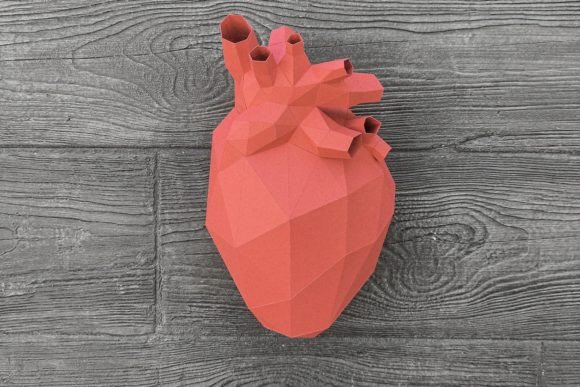
Human Heart 3D Paper Sculpture: A Versatile SVG Asset for Creative Websites
Real-World Publishing Applications
- Blog Featured Images: Add depth and warmth to your article headers without overwhelming the text.
- Pinterest Graphics: Its bold shape and detailed layers make it perfect for creating eye-catching pins, especially in health or lifestyle categories.
- Newsletter Headers: Use it to frame key messages or calls-to-action in a way that stands out from standard newsletter layouts.
- Lead Magnets and Digital Guides: Incorporate it into worksheets, printable checklists, or digital download covers to give them a polished, creative edge.
- Category Thumbnails: Represent health-related sections or collections with a unique and memorable visual anchor.
- Social Media Previews: Pair it with short-form content such as Instagram stories, Facebook posts, or Twitter cards to reinforce your brand's visual identity.
- Canva Templates: Drop it into custom templates for quick, high-quality social media visuals that feel professional and personal.
Boosting Content Performance Through Visual Design
Stronger first impression: The heart’s sculptural look adds a layer of sophistication and emotional appeal that helps catch the viewer’s attention quickly.
Clearer visual hierarchy: When used behind headlines or alongside supporting text, it helps separate key elements and guide the reader’s focus effectively.
Better click-through potential: Especially on Pinterest and social media platforms where visuals drive engagement, the layered structure of the heart makes it stand out among flat designs.
Consistent branding: If your blog or website has a warm, handmade, or artisanal theme, this asset fits seamlessly into your visual system, reinforcing your brand identity across all touchpoints.
Improved reader trust: High-quality, intentional design assets like this one signal professionalism and care, which are essential for building credibility in content marketing and affiliate marketing contexts.
Enhanced category recognition: Using the same heart motif consistently across different content types (like eBook covers or downloadable resources) creates a visual shortcut that helps users identify related topics at a glance.
Stronger visual identity: Whether it’s featured in a hero section or a sidebar widget, the heart helps establish a cohesive and recognizable style that sets your content apart.
Professional-looking content pages: Even if your site uses a minimalist theme, the subtle detail in this SVG can add personality without clashing with clean layouts.
Optimal Placement and Best Practices
- Hero images: Position it subtly in the background or foreground to create a focal point that enhances storytelling.
- Article thumbnails: Use it to highlight the emotional tone of a post about love, health, or relationships.
- Pinterest pins: Place it near the top third of the image to draw the eye upward and encourage clicks.
- Editorial accents: Float it in the corner of a layout to add decorative flair without distracting from the main message.
- Content upgrades: Feature it on free printable downloads to increase perceived value and conversion rates.
- Downloadable resources: Integrate it into PDFs or digital guides for a consistent and attractive visual signature.
- Newsletter headers: Frame a welcome message or call-to-action with the heart to add a personal touch.
- Media kits: Include it in press materials or influencer collaborations for a distinctive, creative look.
Where Caution Is Advised
- Small mobile thumbnails: Its fine details may get lost when scaled down for smaller screens, so always preview it at actual sizes.
- Text-heavy blog images: Avoid placing it over dense paragraphs; instead, use it as a border or background accent.
- Low-contrast backgrounds: The heart works best when placed against a clear, contrasting backdrop to maintain visibility and legibility.
- Busy layouts: Don’t combine it with too many other design elements. Let it shine as a singular feature to avoid visual clutter.
- Corporate or serious professional niches: The papercraft style might feel too whimsical for B2B audiences or formal business websites.
- Websites with minimal visual systems: If your brand relies heavily on flat or abstract design, ensure the heart complements rather than disrupts your existing style.
Publisher Notes for Practical Use
- Test on desktop and mobile screens: Make sure the design remains effective and readable across all devices.
- Check thumbnail performance: How does it look when compressed and cropped? Will it still convey the intended message?
- Preview in a real blog layout: See how it interacts with your site’s fonts, colors, and spacing to ensure harmony.
- Test with headline text: Does the heart complement your font choice or overshadow it? Try pairing it with serif, sans-serif, script, handwritten, and display typefaces.
- Review contrast and readability: Ensure it doesn’t interfere with text legibility or dilute the overall message.
- Try it in black and white: This is especially useful for printables or grayscale web environments where color may not be available.
- Consider file size for web performance: As an SVG, it should load efficiently, but if converted to raster formats, optimize the resolution for fast page speeds.
- Confirm commercial licensing: Since it will likely appear on monetized websites, affiliate pages, or paid digital products, verify that you have the rights to use it commercially.