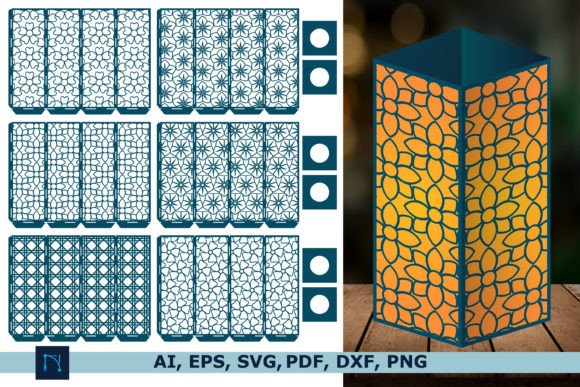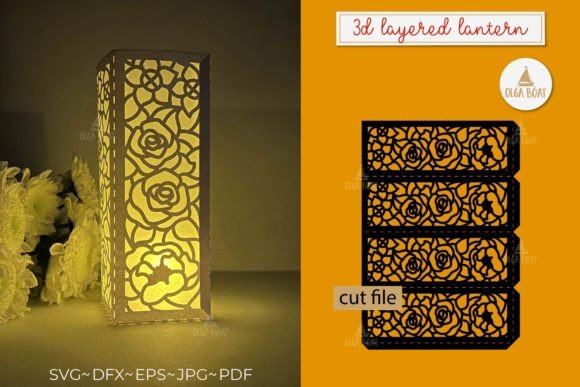
3d Flower Lantern Papercut Candle Holder
When I first pulled up the 3d Flower Lantern Papercut Candle Holder file on my screen, my immediate reaction wasn’t about the technical specs—it was about the mood. As a designer who spends hours evaluating machine embroidery design files for both personal use and client projects, I look for designs that translate well from digital vector to physical stitch. This particular embroidery file strikes a delicate balance between intricate detail and structural clarity. It feels less like a standard floral motif and more like a piece of architectural paper art brought to life through thread.
The concept is rooted in the aesthetic of papercraft, which suggests clean lines, negative space, and a layered depth. In the world of centerpieces and home decor, this visual language works exceptionally well. However, translating a "papercut" look into an embroidery project requires careful consideration of how stitches interact with fabric. The design relies heavily on the illusion of depth, which means the success of the final product depends entirely on execution—specifically, how you handle the stitch density and thread choices.
First Impressions: Mood and Visual Personality
The 3d Flower Lantern Papercut Candle Holder exudes a romantic, airy vibe. It’s not heavy or aggressive; it’s elegant and inviting. This makes it a natural fit for products that aim to evoke warmth and comfort. When I visualize this design stitched out, I see it shining on light-colored backgrounds where the negative space can breathe. The lantern shape provides a strong central anchor, while the flower elements add organic softness around the edges. It creates a beautiful contrast between geometric precision and natural flow.
For crafters and Etsy sellers, this duality is valuable. It allows you to market the item as both a structured decor piece and a heartfelt gift. The design doesn’t scream for attention; instead, it invites the viewer to look closer. This subtlety often leads to higher perceived value in handmade goods because it feels curated rather than mass-produced. It’s the kind of design that sits quietly on a shelf but catches the eye when someone walks past it.
Real-World Application: From Screen to Stitch
I recently considered using this 3D SVG style layout for a custom tote bag design intended as a Mother’s Day gift. The idea was to create a large, focal embroidery on the front of a canvas tote. Here is how I broke down the practicality:
- Custom Apparel and Totes: On a sturdy cotton canvas, the lantern structure holds its shape well. The key here is stability. You need a robust cut-away stabilizer to prevent the fabric from puckering under the weight of the fill stitch areas. If the base fabric shifts, the "papercut" lines will wobble, ruining the illusion.
- Baby Items and Nursery Decor: This design translates beautifully to baby blankets or nursery wall hangings. The soft floral accents are gender-neutral enough to appeal to a wide audience. However, for baby embroidery, I would advise reducing the scale slightly. A massive lantern might overwhelm a small crib sheet, whereas a medium-sized placement looks balanced and professional.
- Applique Design Potential: While this is primarily a stitch-based design, the concept lends itself to an applique design hybrid. Imagine stitching the outline of the lantern in satin stitch, then filling it with a contrasting fabric before adding the floral details. This adds texture and dimension that pure thread cannot achieve alone.
I also tested a mockup for a sweatshirt embroidery project. Placing the lantern centrally on the chest of a heather grey hoodie created a sophisticated, bohemian look. The contrast between the soft fleece texture and the crisp, detailed stitches of the lantern gave the garment a high-end boutique feel. It’s the kind of item that could easily sell at a craft fair or in a local boutique.
Where to Exercise Caution
No design is perfect for every scenario, and the 3d Flower Lantern Papercut Candle Holder has specific constraints that designers must respect. Ignoring these can lead to frustrating results and dissatisfied customers.
First, avoid using this design on textured fabrics like heavy chenille or thick terry cloth without significant modification. The fine details of the "papercut" lines will get lost in the nap of the fabric. Similarly, stretchy fabric like jersey knit requires extreme care. If you don’t use a proper stabilizer, the hoop marks and subsequent washing will distort the lantern shape, making it look uneven and unprofessional.
Another critical area is small hoop sizes. If you attempt to digitize or stitch this design in a hoop smaller than 4x4 inches, you risk losing the integrity of the running stitch details and the delicate corners of the flower petals. Tiny lettering or intricate inner cuts may merge together, creating a muddy blob rather than a clear image. Always inspect the design at its smallest intended size to ensure readability.
Additionally, be mindful of dark fabric backgrounds. While dark colors can make bright threads pop, they can also hide subtle shading or lighter thread tones used for highlights. If you choose a dark background, ensure your thread colors have high contrast against it. A white or cream lantern on black fabric will look stark and graphic, which might not align with the romantic mood you’re trying to achieve.
Practical Designer Notes for Success
To get the most out of this digital embroidery file, follow these practical steps before committing to your final product:
- Test on Scrap Fabric: Never stitch directly onto your final product. Use a scrap of the same material and stabilizer combination to check how the design behaves. Look for any gaps in coverage or excessive thread breaks.
- Check Thread Color Contrast: Experiment with different color palettes. For a true "papercut" effect, monochromatic schemes (e.g., various shades of pink or blue) work wonderfully to emphasize shape over color. Alternatively, a two-tone approach can highlight the lantern structure versus the floral details.
- Review Stitch Density: High density can make the fabric stiff and bulky. If the design feels too heavy, consider adjusting the underlay stitches or reducing the fill density slightly to maintain flexibility, especially for wearable items like caps or hats.
- Inspect Small Details: Zoom in on the digital file. Are there any tiny isolated islands of stitch that might require jump stitches to be trimmed? These can snag on clothing or wear down quickly if not secured properly.
- Confirm Licensing: Before selling finished items or offering this as a design asset, verify the license terms. Some files are for personal use only, while others allow commercial sales of a limited number of units. Protect your craft business by ensuring you have the right permissions.
Final Verdict
The 3d Flower Lantern Papercut Candle Holder is a versatile and aesthetically pleasing addition to any designer’s library. It bridges the gap between traditional floral motifs and modern geometric trends, offering a fresh take on home decor and apparel. Whether you are creating a personalized gift for a friend or developing a line of small shop products for your online store, this design provides a solid foundation for professional-looking results.
Its strength lies in its clarity and elegance. By paying attention to fabric choice, stabilization, and thread selection, you can transform this digital concept into a tangible, cherished object. It’s not just an embroidery project; it’s an opportunity to showcase your skill in blending form and function. For anyone looking to elevate their handmade product offerings, this lantern design is a worthy investment of your time and creativity.