1950 Retro Diner Numbers 3D SVG for Crafts and Graphics
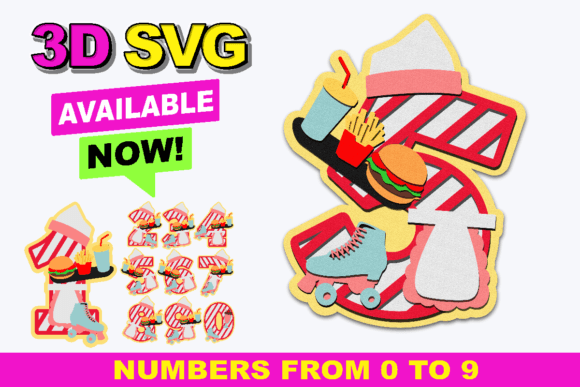
The first thing that stands out when reviewing the 1950 Retro Diner Numbers 3D SVG is its nostalgic charm. These numbers carry a vintage, Americana aesthetic that immediately evokes a sense of warmth, simplicity, and old-school cool. As a brand designer and content marketer, I appreciate how they blend retro flair with clean, scalable vector lines—making them versatile enough for both casual crafts and professional marketing materials.
A Nostalgic Kick to Your Brand Visuals
Numbers are more than just symbols; they’re powerful design elements that influence audience perception. The 1950 Retro Diner Numbers 3D SVG set gives off a playful yet classic vibe, ideal for brands that want to tap into themes like lifestyle, handmade goods, or small-town authenticity. They don’t scream “premium” in the traditional sense but instead create a mood that feels approachable and trustworthy. This emotional tone can work wonders for indie businesses, food bloggers, or anyone looking to build a cozy connection with their audience.
What’s especially impressive is how these numbers manage to look detailed without being overwhelming. Their 3D effect adds depth without clutter, which means you can use them in various sizes while maintaining a professional appearance. Whether you're designing a social media graphic or a packaging insert, they bring visual interest without pulling focus from your core message.
Bridging Craft and Commercial Design
This SVG collection is particularly useful for creative entrepreneurs who straddle the line between crafts and graphics. The fact that it includes three layered files makes it highly customizable for tools like Silhouette Studio and Cricut Design Space. For digital sellers on platforms like Etsy or Creative Market, this means you can adapt the numbers to different project types—from signage to stickers—without compromising quality or style.
As part of a design bundle, these numbers could be used in product labels for homemade jams, branded templates for vintage-themed blogs, or even as decorative accents on promotional banners. The layered structure also allows for tweaking colors and effects to match your brand identity, ensuring that the asset remains flexible across multiple use cases.
Boosting First Impressions and Visual Hierarchy
In real-world marketing scenarios, the 1950 Retro Diner Numbers 3D SVG shine as a way to reinforce visual hierarchy. Imagine launching a seasonal offer for a retro-themed coffee shop. Using these numbers in headers or pricing tags can make the campaign feel cohesive and instantly recognizable. The same goes for Instagram posts or Pinterest pins where eye-catching, thematic visuals are key to stopping the scroll.
They also support brand recognition by acting as consistent visual markers. If you're creating a series of editorial graphics or blog headers for a content calendar, using these numbers helps maintain a unified look across all touchpoints. This kind of consistency builds audience trust, especially in niches like lifestyle content or event promotions where aesthetics matter deeply.
Design Asset That Delivers Across Platforms
I tested the 1950 Retro Diner Numbers 3D SVG in several mockups and found them adaptable to a wide range of uses:
- Hero graphics for landing pages or website headers
- Social media covers and Instagram post accents
- Promotional banners for limited-time offers or flash sales
- Editorial layouts and lead magnets for email campaigns
- Merchandise designs such as mugs, T-shirts, or stickers
- Canva templates for quick-to-edit content kits
- Printable promotions for events or pop-up shops
- Brand identity accents in logos or stationery
These numbers work best in situations where the retro theme enhances rather than distracts. They add character to otherwise flat designs and help differentiate your brand from competitors who may be leaning too heavily on modern minimalism.
Matching Fonts and Maintaining Balance
One of my top considerations when integrating any design asset into a brand system is how it pairs with typography. I tried the 1950 Retro Diner Numbers 3D SVG with various font styles and found them most complementary with:
- Serif fonts: Enhances the classic feel
- Script or handwritten fonts: Adds a personal touch
- Display fonts: Creates a bold contrast for standout headers
However, they didn’t perform as well with very minimalist sans serif typefaces, which made the overall design feel disjointed. Always test the spacing and balance when incorporating these numbers alongside text. You’ll want to ensure they enhance legibility rather than interfere with it.
Where to Use It Carefully
While the 1950 Retro Diner Numbers 3D SVG are a great addition to many branding efforts, there are a few areas where caution is needed:
- Formal corporate branding: The vintage style may not align with sleek, business-focused visuals
- Dense information layouts: Overuse could reduce readability in complex infographics or data-heavy presentations
- Small mobile graphics: The intricate 3D details might get lost at smaller resolutions
- Low-contrast backgrounds: Ensure the numbers remain visible and legible
- Text-heavy ads: Avoid letting the design element compete with your main message
Use these numbers strategically. Let them highlight key dates, prices, or titles, but don’t let them take over the entire layout. Think of them as accent pieces in your creative design toolkit.
Practical Tips for Brand Designers and Content Marketers
If you're considering adding the 1950 Retro Diner Numbers 3D SVG to your workflow, here are some practical steps I recommend:
- Test with your brand color palette to see if they pop or blend in
- Check their appearance in black and white for print or grayscale usage
- Place them inside real campaign mockups to assess how they contribute to the visual hierarchy
- Preview them on mobile screens to ensure scalability and clarity
- Test readability in small sizes, especially for digital ads or social media stories
- Compare against competitor visuals to gauge uniqueness and relevance
- Review spacing and alignment when using multiple numbers together
- Confirm the commercial license before using them in paid campaigns, client projects, or business branding
Creating Memorable Campaigns with Vintage Flair
For a recent project promoting a handmade candle line with a mid-century aesthetic, I incorporated these numbers into a set of printable designs for packaging inserts and social media posts. The result was a warm, inviting look that stood out in a sea of modern, sterile visuals. Customers commented on how the packaging felt like a throwback to simpler times—exactly the kind of emotional connection we were aiming for.
Using them in digital product visuals also helped elevate the perceived value. When paired with soft pastel tones and organic textures, the numbers added a tactile, handcrafted feel that resonated with our target audience. They became a subtle but effective part of our brand identity, helping to establish a unique visual language that was easy to replicate across channels.
Final Thoughts: A Strong Addition to Your Design Toolkit
Overall, the 1950 Retro Diner Numbers 3D SVG are a strong graphic design asset for content creators and small business owners who want to inject personality into their marketing. They offer a perfect mix of nostalgia and usability, making them suitable for both crafts and professional branding projects.
From my experience, these numbers work especially well in event flyers, merchandise, and social media graphics where a bit of whimsy can go a long way. Just be mindful of context and scale to avoid overpowering the message or losing clarity.
If you're building a content marketing kit or refreshing your brand visuals, consider including these numbers in your SVG design library. They’re not just clipart—they’re an emotional trigger that can help your brand stand out in the right way.